


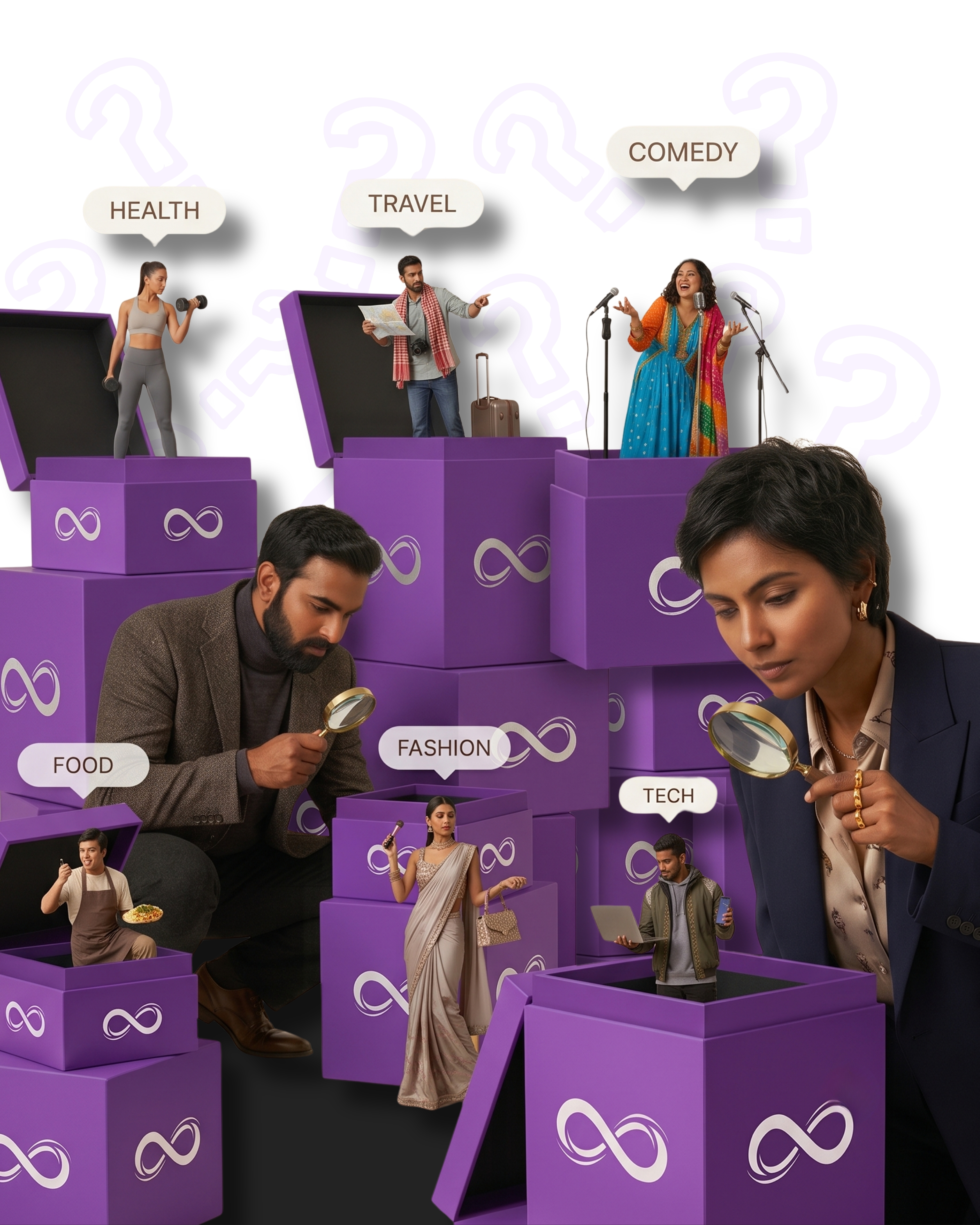
Influencer marketing has evolved far beyond partnering with creators who simply have large follower counts. Today, brands are looking for meaningful collaborations that drive awareness, engagement, and business results. The success of any influencer campaign depends heavily on choosing the right creator, someone whose audience, content style, and values align with your brand.
Whether you're launching a new product, building brand awareness, or driving conversions, selecting the right influencer can make all the difference.
At Boomlet, we believe successful influencer marketing begins with strategic creator selection, ensuring every partnership feels authentic, relevant, and impactful.
Why Influencer Selection Matters
A well-matched influencer can help your brand build trust and credibility among target audiences. On the other hand, a poor creator fit can result in low engagement, wasted budgets, and brand messaging that fails to resonate.
Consumers today are highly aware of sponsored content. They can quickly identify partnerships that feel forced or disconnected from a creator's usual content. This is why relevance often matters more than reach.
The goal is not simply to find an influencer with the biggest audience. It is to find the creator who can communicate your brand story in the most authentic way.
Understand the Different Types of Influencers
Before starting your search, it's important to understand influencer categories.
Nano Influencers (1K–10K Followers)
Nano influencers typically have highly engaged communities. Their content feels personal, and followers often trust their recommendations.
Best for:
- Local campaigns
- Community engagement
- Niche audiences
- Budget-friendly collaborations
Micro Influencers (10K–100K Followers)
Micro influencers strike an excellent balance between reach and engagement. They often specialize in specific niches such as fashion, beauty, technology, travel, or fitness.
Best for:
- Product launches
- Brand awareness
- Conversion-focused campaigns
Macro Influencers (100K–1M Followers)
These creators offer larger audience reach and are ideal for brands looking to scale visibility across broader markets.
Best for:
- National campaigns
- Mass awareness initiatives
- Brand storytelling at scale
Celebrity Influencers (1M+ Followers)
Celebrity creators provide significant exposure but often come with higher investment requirements.
Best for:
- Large-scale launches
- Major brand campaigns
- Premium positioning
Look Beyond Follower Count
One of the biggest mistakes brands make is choosing influencers solely based on audience size.
Instead, evaluate the following:
Engagement Rate
Look at:
- Likes
- Comments
- Shares
- Saves
- Story interactions
A creator with 50,000 highly engaged followers may generate better results than one with 500,000 passive followers.
Audience Quality
Review whether the creator's audience aligns with your target customers.
Consider:
- Age group
- Geography
- Interests
- Purchasing behaviour
- Language preferences
Content Consistency
Strong influencers maintain a consistent content style and posting frequency. Their audience knows what to expect, which helps build trust over time.
Evaluate Brand Alignment
Your chosen influencer should naturally fit your brand's positioning and values.
Ask yourself:
- Does the creator already create content relevant to our industry?
- Would our product feel authentic in their content?
- Have they worked with competing brands recently?
- Do they represent the image we want to build?
The best influencer partnerships feel natural, not promotional.
For brands looking to build long-term creator relationships, Boomlet's Influencer Marketing Services help identify creators that align with campaign goals and brand values.
Review Previous Brand Collaborations
A creator's past partnerships can provide valuable insight into campaign quality and audience response.
Look for:
- Quality of sponsored content
- Audience engagement on branded posts
- Storytelling ability
- Brand integration style
If previous collaborations appear overly promotional or receive negative audience feedback, it may be a warning sign.
Define Clear Campaign Objectives
Before selecting an influencer, determine what success looks like.
Common goals include:
- Brand awareness
- Product education
- Website traffic
- Lead generation
- App installs
- Sales conversions
- Community building
Different campaign objectives often require different types of influencers.
Build Long-Term Partnerships
Many of the most successful influencer campaigns are built on long-term creator relationships rather than one-off collaborations.
When creators genuinely use and advocate for a product over time, audiences perceive the partnership as more authentic and trustworthy.
Long-term partnerships also help brands achieve:
- Better storytelling
- Stronger audience trust
- Consistent campaign performance
- Greater return on investment
Final Thoughts
Finding the right influencer is not about choosing the creator with the largest audience. It is about identifying the person who can authentically connect your brand with the right consumers.
By focusing on audience relevance, engagement quality, content authenticity, and strategic alignment, brands can build influencer partnerships that generate meaningful business outcomes.
At Boomlet, creator selection is the foundation of every successful campaign. By combining audience insights, strategic planning, and authentic storytelling, brands can transform influencer collaborations into lasting brand advocacy.
FAQs
How do I choose the right influencer for my brand?
Focus on audience fit, engagement rate, content quality, brand alignment, and campaign objectives rather than follower count alone.
Are micro influencers better than celebrity influencers?
Micro influencers often deliver higher engagement rates and stronger audience trust, while celebrity influencers provide broader reach.
What metrics should brands evaluate before partnering with an influencer?
Engagement rate, audience demographics, content quality, historical performance, and brand fit are key evaluation metrics.
How important is audience relevance in influencer marketing?
Audience relevance is one of the most critical factors because it directly impacts engagement, conversions, and campaign effectiveness.
Should brands work with influencers long term?
Yes. Long-term partnerships typically create stronger trust, better storytelling, and more consistent results than one-off campaigns.

